A personal account · cognitive wellness

The Small Morning Routine
That Brought Back My Clarity

Forgotten names. Misplaced keys. Walking into a room and forgetting why. I stopped brushing those moments off — and built a simple morning routine around what research says supports memory and focus.

A quiet morning moment with a warm cup of tea by the window
Ten quiet minutes each morning. That's where it starts.
10
Minutes each morning
6
Everyday habits, all research-informed
60
Day money-back guarantee
🧠
Everyday HabitsNothing extreme or complicated
📚
Research-InformedGrounded in published studies
🥣
Simple BreakfastReal food, ten minutes
🌿
Studied BotanicalsTransparent ingredient list

Most People Notice the Small Slips. Then They Look Away.

It rarely begins with anything dramatic. It begins with a name that takes a second too long to come back. A reason for walking into a room that simply vanishes. And the quiet decision to tell yourself it's nothing.

For years, I watched my father struggle with his memory. Small things at first — repeating questions, misplacing everyday items, losing the thread of conversations we'd just had. Over time, those small things became a bigger part of his daily life, and supporting him became a bigger part of mine.

What stayed with me most wasn't any single moment. It was the realization that memory is something most of us take for granted — until the day we notice it isn't working quite the way it used to.

A quiet forest path in soft morning light
The quiet moments were when I thought about it the most

Then, at fifty-two, I started noticing things in myself. Three missed appointments in a single month. Keys in the refrigerator. My phone in the bathroom cabinet. At a routine checkup, my doctor's advice was measured and sensible: pay attention early, because sleep, movement, diet, and mental engagement all play a role.

So I sat down and read everything I could find about everyday habits that support memory and mental clarity. I wasn't looking for anything extreme. I was looking for something realistic — a routine I could actually keep.

"What made the difference for me was starting small. Nothing extreme. Just consistent."

What I found was encouraging: decades of ordinary research pointing in the same direction. The same handful of daily habits — sleep, walking, mental engagement, social connection, and a brain-friendly way of eating — kept showing up in the literature, again and again.

That's the entire idea behind this page. No drama, no fear. Just a clear look at the habits, the foods, and the studied ingredients — so you can build a morning that works for you, starting tomorrow.
The Slips Are Small. The Pattern Isn't.

Occasional forgetfulness is a normal part of life. But if several of these feel familiar, it may be worth paying attention to your daily routine — and, if you're concerned, talking with a qualified professional.

  • ✕Repeating the same question minutes apart, without realizing you've already asked.
  • ✕Keys in the freezer. Phone in the pantry. Wallet tucked inside a cabinet.
  • ✕Routine tasks — recipes made for decades — suddenly need every step read out loud.
  • ✕Appointments kept for years simply slipping from memory without warning.
A calm person practicing morning mindfulness outdoors

Noticing my own patterns wasn't frightening — it was useful. It was the first step toward building a routine that actually supports me.

— David R., 52 · shared with permission

Three Reasons a Morning Routine Keeps Working

There's no secret here. The morning works because it's the one part of the day you fully control — before the noise begins.

A quiet library with rows of books
01

Consistency Beats Intensity

Research on lifestyle and cognitive wellness points to the same pattern: modest habits repeated daily matter more than occasional big efforts. Ten minutes every morning beats two hours once a month.

A nourishing breakfast bowl with eggs, avocado, and greens
02

Breakfast Sets the Tone

The MIND-style eating pattern — leafy greens, berries, fish, nuts, olive oil — was developed by nutritional researchers with cognitive wellness in mind. A simple, colorful breakfast is the easiest place to start.

Two people walking together outdoors at golden hour
03

Movement Feeds the Mind

Regular walking supports healthy blood flow — including to the brain. A short morning walk pairs movement with daylight and fresh air, and it's the habit people find easiest to keep.

Six Things People Notice First

Not dramatic transformations. Small, steady, repeatable wins — which is exactly why they last. Individual experiences vary.

01

Mornings Feel Organized

Knowing exactly how your day starts removes the fog of improvisation. The routine runs itself, and your mind is free for everything else.

02

Names Come Back Faster

Many people describe everyday recall feeling smoother after a few consistent weeks — names, lists, and small details surfacing with less effort.

03

Steadier Focus

Better sleep, movement, and a real breakfast add up. Concentration stops dipping mid-morning the way it used to.

04

A Ritual You Look Forward To

Ten quiet minutes that belong to you. Small pleasures anchor routines — enjoyment is what makes a habit survivable.

05

Calmer Evenings

A structured day tends to end better. People often describe feeling more present with family and less mentally scattered at night.

06

Confidence in Your Own Mind

Every day you follow through is a small deposit. After a few weeks, you stop thinking of yourself as someone who's "getting forgetful."

Ten Minutes Each Morning. That's the Whole Method.

There is nothing clever about it, which is precisely why people manage to keep doing it.

Writing morning notes in a journal with a fountain pen
01

Wake & Write

Two minutes with a notebook — three things you remember from yesterday, one intention for today. A small daily exercise in recall.

A person out for an early morning walk
02

A Short Walk

Even ten minutes counts. Regular movement supports healthy blood flow, and morning daylight helps anchor your sleep rhythm.

A colorful breakfast bowl with fresh greens and vegetables
03

The Clarity Bowl

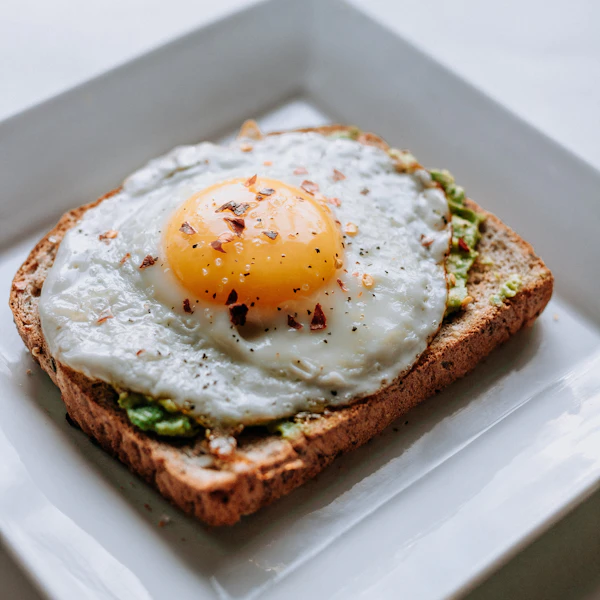
Eggs, avocado, berries, walnuts, olive oil. Real food in the MIND-style pattern — colorful, satisfying, ready in minutes.

A warm cup of coffee or tea in morning light
04

Hydrate & Learn

A full glass of water, plus five minutes of reading or a puzzle. Hydration and mental engagement — two of the most studied basics.

One honest note: this routine supports a healthy lifestyle — it isn't a treatment for anything, and it doesn't replace sleep, medical care, or the guidance of a qualified professional. If you have concerns about your memory, speaking with your doctor is always the right first step.

Same Morning. Different Start.

Nothing about your schedule has to change. Only what the first ten minutes look like.

A dim, overcast start to the day
Before

The Rushed Morning

  • —Snoozed alarm, straight to the phone, straight into reaction mode
  • —Skipped breakfast or something sugary grabbed on the way out
  • —No movement, no daylight, no water until mid-morning
  • —The day feels scattered before it has even begun
A fresh, colorful breakfast prepared at home
After

The Clarity Morning

  • ✦Two minutes of journaling — a small daily exercise in recall
  • ✦A real breakfast built on the MIND-style pattern
  • ✦A short walk in daylight, water before coffee
  • ✦The day starts deliberate — and stays that way

7 Common Drinks in the United States

What Americans actually reach for — from kitchen staples to café culture.

Freshly brewed black coffee in a ceramic mug
01

Black Coffee

The undisputed king of American mornings. Over 60% of adults drink it daily — brewed, poured, and consumed within minutes of waking.

Iced coffee with cream in a tall glass
02

Iced Coffee

Year-round favorite, especially among younger adults. Cold brew, iced lattes, and sweetened variations dominate drive-thru menus.

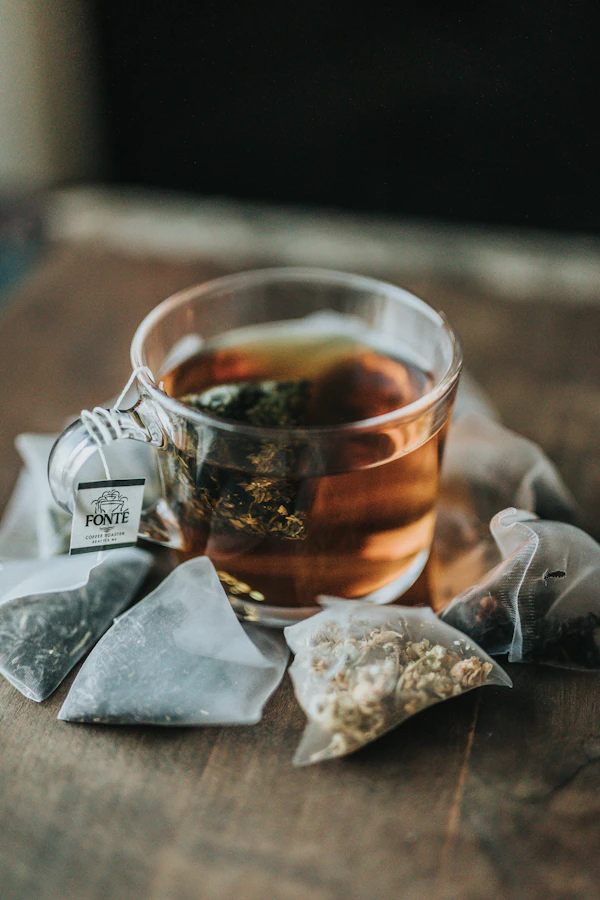
Hot tea steeping in a glass teapot
03

Hot Tea

Black tea leads, followed by green and herbal blends. Often chosen as a gentler, lower-caffeine alternative to coffee.

Orange juice in a glass with fresh oranges
04

Orange Juice

A breakfast-table classic for generations. Still one of the most-purchased juices in American grocery stores every week.

Energy drink can on a clean surface
05

Energy Drinks

Rapidly growing category, especially among adults under 40. Marketed for focus and alertness, often consumed instead of coffee.

Smoothie bowl with berries and granola
06

Smoothies

Blended fruit, yogurt, and protein powder. Popular as a meal replacement or post-workout option in health-conscious households.

Coca-Cola in a glass with ice
07

Soft Drinks

Despite health trends, soda remains deeply embedded in American culture. Diet versions now outsell regular in many markets.

10 Commonly Used Medications in the US

A straightforward look at what fills millions of prescriptions across the country — for context, not medical advice.

01

Lisinopril

An ACE inhibitor used to manage blood pressure. One of the most-prescribed medications in the country for decades.

02

Atorvastatin (Lipitor)

A statin prescribed to support healthy cholesterol levels. Frequently recommended alongside lifestyle changes.

03

Levothyroxine (Synthroid)

A thyroid hormone replacement. Essential for millions managing hypothyroidism, taken every morning on an empty stomach.

04

Metformin

First-line management for blood sugar support. Often paired with dietary adjustments and regular physical activity.

05

Amlodipine

A calcium channel blocker used for blood pressure management. Known for its once-daily convenience.

06

Omeprazole (Prilosec)

A proton pump inhibitor for digestive comfort. Available both by prescription and over the counter.

07

Albuterol

A rescue inhaler for respiratory support. Carried by millions and used at the first sign of breathing difficulty.

08

Gabapentin

Originally developed for nerve-related comfort, now widely prescribed for a range of everyday wellness needs.

09

Sertraline (Zoloft)

An SSRI commonly prescribed for mood support. One of the most recognized names in mental wellness care.

10

Acetaminophen (Tylenol)

The most common over-the-counter option for everyday discomfort. Found in nearly every American medicine cabinet.

Important: This list is for general awareness only. Never start, stop, or change any medication without consulting your healthcare provider. Individual needs vary significantly.

5 Common Breakfast Items in the US

What actually lands on the plate during the first meal of the day — from diner classics to modern staples.

Crispy bacon strips on a plate
01

Bacon

Crispy, salty, and deeply American. Bacon appears on breakfast plates, sandwiches, and even as a salad topping across the country.

Golden scrambled eggs in a skillet
02

Scrambled Eggs

The ultimate versatile protein. Cooked in butter, folded soft, or whipped fluffy — eggs are the foundation of the American breakfast.

Stack of fluffy pancakes with syrup
03

Pancakes

Weekend tradition and diner staple. Topped with maple syrup, butter, or berries — pancakes are pure morning comfort.

Toasted bread with butter on a plate
04

Toast

Simple, fast, and endlessly adaptable. Whole grain, white, or sourdough — topped with butter, jam, or avocado on busier mornings.

Bowl of cold cereal with milk
05

Cold Cereal

The fastest breakfast in America. Pour, add milk, eat. From childhood favorites to fiber-forward options, cereal dominates weekday mornings.

Ordinary Habits, Well-Studied

There's no breakthrough here and no discovery. Just decades of published research pointing in the same direction: sleep, movement, diet, and mental engagement all play a role in cognitive wellness as we age.

7–8
Hours of sleep recommended nightly
30
Minutes of daily walking suggested
12
Lifestyle factors reviewed by the Lancet Commission
8
References listed below

Modifiable lifestyle factors — including diet, physical activity, and social engagement — are consistently associated with cognitive health in later life across large, well-designed population studies.

— Paraphrased from published research · see references

And If You Want Support Beyond the Routine

The morning habits are free and belong to everyone. For those who want a daily supplement alongside them, this is the formula we use — studied botanicals and nutrients at transparent amounts, no proprietary blends, no hidden dosages.

🌿
Ginkgo Biloba
Ginkgo biloba · standardized extract

One of the most-researched botanicals in the cognitive wellness category, with a long history of scientific interest.

Standardized extract
🍃
Bacopa Monnieri
Bacopa monnieri · bacosides

An herb traditionally used in Ayurvedic practice, examined in human studies exploring memory and learning.

Studied botanical
🍄
Lion's Mane
Hericium erinaceus

A functional mushroom drawing growing scientific interest for its unique naturally occurring compounds.

Fruiting-body extract
🫚
Panax Ginseng
Panax ginseng · ginsenosides

A traditional root studied for its role in supporting mental energy and everyday cognitive performance.

Standardized extract
🌾
Ashwagandha
Withania somnifera

A popular adaptogen examined in modern wellness research, particularly around stress and calm focus.

Root extract
🍵
Curcumin
Curcuma longa · 95% curcuminoids

The active compound in turmeric, widely studied by scientists and paired with piperine for absorption.

With black pepper extract
🍇
Resveratrol
Polygonum cuspidatum

A polyphenol found in grapes and red berries, examined across a range of healthy-aging research.

Trans-resveratrol
🐟
Omega-3 DHA
Docosahexaenoic acid

A structural fat naturally concentrated in the brain, obtained from quality fish oil sources.

High-DHA fish oil
🍳
Choline
Essential nutrient

An essential nutrient involved in producing acetylcholine, a neurotransmitter associated with memory.

Bioavailable form
🧂
Magnesium
Essential mineral

An essential mineral involved in hundreds of normal processes, including normal nerve function.

Chelated form
☀️
Vitamin D3 + B12
Essential vitamins

Two vitamins commonly low in adults over fifty, both involved in normal cognitive function.

Daily value amounts
🌶️
BioPerine®
Piper nigrum · 95% piperine

Black pepper extract, included because piperine has been shown to improve the absorption of several compounds it's paired with.

Absorption support

People Who Kept the Routine Going

Individual experiences shared with permission. Everyone's routine — and results — look different.

★ ★ ★ ★ ★

"Within a few weeks of changing my mornings, I felt more organized and more present. Names came back to me more easily. Consistency made a real difference for me."

D
David R.
Age 52 · Denver, CO
★ ★ ★ ★ ★

"The journaling step sounded silly to me. Three weeks in, it's my favorite part of the day — and I genuinely feel sharper in conversations."

S
Sandra K.
Age 58 · Austin, TX
★ ★ ★ ★ ★

"My wife and I do the morning walk together now, then the breakfast bowl. It's become the nicest part of our day, honestly."

R
Robert M.
Age 61 · Tampa, FL

Testimonials reflect individual experiences and are not typical or guaranteed results.

References

The general statements on this page are informed by the peer-reviewed literature below. None of these studies evaluated this website or this product.

1
The MIND diet was associated with slower cognitive decline in aging adults
Morris, M.C. et al. (2015). MIND diet associated with reduced incidence.& 11(9), 1007–1014.
2
Twelve modifiable lifestyle factors reviewed in relation to cognitive health
Livingston, G. et al. (2020). prevention, intervention, and care: 2020 report of the Lancet Commission. The Lancet, 396(10248), 413–446.
3
Review of honey's naturally occurring compounds and brain-health research
Azman, K.F. & Zakaria, R. (2023). Honey and brain health: a review of neuroprotective properties. Frontiers in Aging Neuroscience.
4
Review of botanicals studied for age-related memory support
Gregory, J. et al. (2021). Neuroprotective herbs for age-related memory loss. Biomolecules, 11(11).
5
Mediterranean-style eating patterns and cognitive outcomes in older adults
Valls-Pedret, C. et al. (2015). Mediterranean diet and age-related cognitive decline: a randomized clinical trial. JAMA Internal Medicine, 175(7), 1094–1103.
6
Physical activity and its association with cognitive function in aging
Erickson, K.I. et al. (2011). Exercise training increases size of hippocampus and improves memory. PNAS, 108(7), 3017–3022.
7
Sleep's role in memory consolidation and normal brain function
Walker, M.P. & Stickgold, R. (2006). Sleep, memory, and plasticity. Annual Review of Psychology, 57, 139–166.
8
Piperine and the absorption of co-administered compounds
Shoba, G. et al. (1998). Influence of piperine on the pharmacokinetics of curcumin in animals and human volunteers. Planta Medica, 64(4), 353–356.
🛡️

60-Day Money-Back Guarantee

The morning routine is free and yours to keep either way. If the supplement isn't a fit for you, return the bottles — empty or full — within 60 days for a full refund of the purchase price. No questions asked.

Give Your Mind a Better First Ten Minutes

Start with the free habits — they cost nothing. And if you want the daily formula to go with them, this is the bundle most people choose.

$594.00
$294.00
6 bottles — best value · just $49/bottle
Free shipping · 60-day money-back guarantee
Secure Your Order Now →

🔒 256-bit encrypted checkout · Ships within 24 hours

⚠ Important Notice

Important Regulatory Information

FDA Disclaimer: The information presented on this website has not been evaluated by the Food & Drug Administration or any other medical body. This product is not intended to diagnose, treat, or prevent any condition. Information is shared for educational purposes only.

Lifestyle, not medicine: The habits described on this page — sleep, movement, diet, and mental engagement — are general wellness practices. Nothing on this page is presented as a treatment for any condition, and no food or supplement replaces a balanced diet, physical activity, sleep, or the guidance of a qualified professional.

Consult your healthcare provider: The content on this site is not a substitute for professional medical advice, diagnosis, or treatment. Always seek the advice of your physician or other qualified health provider with any questions you may have regarding a medical condition. Do not disregard professional medical advice or delay in seeking it because of something you have read on this website.

Especially important if you are pregnant, nursing, taking medication, have a known medical condition, or are under 18 years of age. If you have concerns about your memory or thinking, please speak with a qualified healthcare professional.

Individual results may vary: The testimonials and experiences described on this page represent individual users. Results will vary and are not guaranteed. Outcomes depend on many factors including diet, activity, overall health, and consistency.

Affiliate disclosure: This page contains affiliate links. If you purchase through them, we may receive a commission at no additional cost to you.

Photography: free-license stock images via Unsplash (unsplash.com/license). Individual photographers credited on their respective source pages.